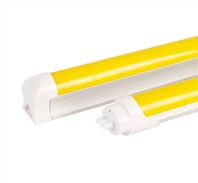
All you need to successfully start seeds inside are a few plastic seed trays, a bag of quality seed starting soil, and a few LED grow light bulbs. Given everything, it should go without saying that you also need your seeds.
However, choosing the seeds you want to grow is actually the most amazing part, given that it allows you to grow a variety of extraordinary plants that you otherwise probably won't have the option to find.
A significant quantity of direct illumination is provided by LED lights to help seedlings establish strong vegetable and flower regions. They also get reasonable to operate, lacking the mumbling noise some develop lights may have.
Each spring, local nurseries, nurseries, and big box stores typically deliver a small selection of vegetable and blossom establishes. Typically, they will focus on the typical assortments found in lawn gardens. In any event, everything is possible if you start your own plants from seed!
You have the choice between a rare treasure tomato, a scorching hot pepper, or an erratic annual flower with gigantic sprouts. Additionally, it comes naturally to do it with LED shop lights!
How Do I Grow Plants Indoors Using LED Grow Lights?
Vegetable and flower seedlings may develop transfers without special lighting conditions. Therefore, even though expensive led grow light bulbs will undoubtedly try to grow seedlings, they are just an unnecessary extra. Moreover, we really do mean costly when we say it! Indoor developing frameworks and several specialised led grow light bulbs might cost $100 or more. Additionally, they can undoubtedly use a lot of energy continuously.
Furthermore, even though you may have been aware of the use of a radiant window ledge, it is regrettably not a wise choice. No matter how much light they get, window sills are generally not a good place to start seedlings.
The sun's split light is abnormally far. Additionally, young seedlings become spindly as a result of their efforts to reach the light. Transfers deteriorate with time, becoming weak and unlucky plants when it comes time to go outdoors.
However, it just so happens that LED grow light bulbs provide the exact amount of light needed to support the growth of annual seedlings. Additionally, the advantages of LED for development are far superior.
Normal LED lights are cool, so there won't ever be a concern about eating vegetation. Additionally, they function discretely and don't produce the noise that bright lights do. Additionally, because most LED lights have a lifespan of 40,000 to 50,000 hours, they can operate through the vast majority of growing seasons.
The location of the lights in relation to the tallest point of the plants is crucial when using led grow light bulbs to start seeds. The lights should be placed close to the leaves in order to grow stronger, more resilient seedlings. In actuality, as the seedlings grow, position them one to two crawls above their tallest point for optimum growth.
Continue to raise the lights at that 1 to 2 inch height as they grow. By doing this, the plants will be helped to continue growing without becoming weak and spindly.
How long should LED grow light bulbs be left on?
So, for how long each day should the lights be on for seedlings? To begin with, turn off all of the lights when you initially sow your seedlings. Turning on seeds won't do them any good since they don't anticipate light to grow.
In any event, they really do need a little warmth and a lot of moisture. Find a warm spot to set your plate in the beginning while you wait for the seeds to sprout. The speed of seed growth increases with soil temperature.
Additionally, use a free piece of cling wrap to cover your seeds or store them in the plastic vault that frequently comes with seed plate packs. This will help maintain moisture inside and may promote improved germination.
When your first few sparsely sprouted seedlings appear, it's the perfect time to add lights! It is recommended that seedlings get 10 to 12 hours of light each day. Again, be sure to keep the lights just an inch or two over the vegetation. You can create a very good top or ground level seed starting stand out of two or three 2 x 4s, some brick blocks, or wood squares. Whatever method you choose, it's important to keep the light shining directly above any significant areas of strength to encourage growth.