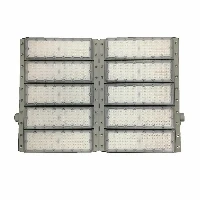
Because of its high-quality illumination, extended lifespan, and energy efficiency, LED floodlights have become a standard in both commercial and residential lighting settings. But when these supposedly robust lights begin to burn out too soon, it can be annoying. For efficient troubleshooting and prevention, it is essential to comprehend the causes of this problem.
Insufficient Dissipation of Heat Inadequate
heat dissipation is one of the main causes of LED floodlights failing too soon. When LEDs are operating, heat is produced; if this heat is not controlled, interior components may overheat. The semiconductor material may deteriorate if the LED chip's temperature increases above its ideal operating range. This deterioration raises electrical resistance, lowers LED efficiency, and eventually results in light burnout.
One of the most frequent causes of heat-related failures is poorly built heat sinks. Transferring the heat produced by the LED to the surroundings is the responsibility of heat sinks. The heat sink will not be able to disperse heat efficiently if it is too tiny, has an inadequate surface area, or is composed of a material with low thermal conductivity. Heat dissipation may also be hampered by incorrect lighting installation. For instance, the temperature will rise if the floodlight is placed in a tight space or one with inadequate ventilation since the heat will have nowhere to go.
Power Supply Problems
Another essential part of an LED floodlight system is the power supply. Premature LED burning is one of the issues that might result from a broken power supply. Variations in voltage are one frequent problem. Because LEDs are sensitive to voltage variations, even slight variations can put stress on the parts. The LED may take too much current if the voltage applied to it is too high, which could eventually cause it to overheat and fail. Conversely, if the voltage is too low, the LED might not get enough power to function correctly, which might also reduce how long it lasts. LED floodlights are also seriously threatened by power spikes and surges. Lightning strikes, interruptions in the power system, or the turning on and off of major electrical equipment nearby can all cause these abrupt spikes in voltage. The sensitive parts of the LED, such as the driver circuit and the LED chip itself, might be harmed by even a short power spike.
The caliber of the components
The longevity of the LED floodlight can be significantly impacted by the caliber of the parts utilized. Premature failure is more likely to occur with low-quality LEDs, drivers, and other internal components. Lower thermal stability, larger forward voltage drops, and irregular light output are all possible characteristics of inferior LEDs. Similar to this, low-cost drivers might not be able to deliver a steady and controlled power source, which could result in variations in voltage and current. Furthermore, the issue may be exacerbated by the floodlight housing's construction utilizing inferior materials. The housing may not be able to shield the internal components from environmental elements including moisture, dust, and extremely high or low temperatures if it is not composed of a sturdy and heat-resistant material. The LED may burn out as a result of corrosion, short circuits, and other problems.
Environmental Aspects
The LED floodlight's lifespan may be significantly impacted by its working environment. The LED's performance may suffer with exposure to extremely high or low temperatures. Low temperatures can alter the electrical characteristics of the components, while high temperatures can hasten the deterioration of the LED material. For instance, the thermal paste used to adhere the LED chip to the heat sink may become more viscous in colder climates, decreasing the efficiency of heat transfer. Humidity and moisture are also significant issues, particularly with regard to outdoor LED floodlights. Water intrusion can harm the LED chip, short circuit electrical components, and cause corrosion. Moisture can sneak in and cause irreparable harm if the floodlight is not properly sealed or if the housing fractures over time. In a similar vein, dust, grime, and other impurities can clog the heat sink and prevent heat from dissipating, causing overheating and early failure.
Setting Up and Maintaining
The LED floodlight may also burn out if it is installed incorrectly. Electrical issues can be caused by loose connections, improper wiring, or the use of the incorrect kind of cable. Electrical arcing, for instance, can cause heat and harm the LED if the wires are not adequately insulated or if there are weak connections. Another element that may cause LED floodlights to fail too soon is a lack of routine maintenance. Dust and debris can build up on the floodlight's surface over time, decreasing its light output and raising the temperature. These problems can be avoided with routine lighting cleaning and inspection. Furthermore, routinely inspecting the power supply, heat sink, and electrical connections can assist spot and fix such issues before they cause the LED to fail.
In conclusion, an early burnout of LED floodlights can be caused by a number of causes. You can greatly increase the lifespan of your LED floodlights and take advantage of dependable and effective lighting for many years to come by being aware of these causes and taking the necessary precautions, such as making sure that the heat is dissipated properly, using high-quality components, shielding the floodlight from the elements, and doing routine maintenance.
https://www.benweilight.com/industrial-lighting/led-flood-light/led-powed-wall-flood-lights.html