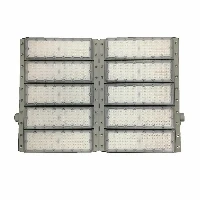
Although LED floodlights are known for their long-lasting performance and durability, they can experience problems that lead to their failure, just like any other electrical item. The first step to restoring your floodlight's functionality is to identify the potential causes of the issue. Here, we examine a wide range of potential causes for an LED floodlight to stop working.
Issues Concerning Power
Circuit breakers and power outages
A local power outage may be the most straightforward and frequently disregarded cause of an LED floodlight not functioning. Your floodlight's power supply may be interrupted by a local blackout, which could be brought on by a storm, grid maintenance, or an overloaded transformer. In a similar manner, your electrical panel's tripped circuit breaker might stop the power supply. To safeguard your electrical system, circuit breakers are made to trip when they sense an overload or a short circuit. The breaker in charge of that circuit will trip if several lights or appliances are using large amounts of power at once, or if there is a problem with the wire that connects to the floodlight. Look for a breaker that is in the "off" position or has moved significantly from its typical "on" position on your electrical panel to verify. If the floodlight trips again right away after resetting the breaker, there's probably a more significant problem at play.
A malfunctioning power supply unit
The driver, sometimes referred to as the power supply unit, is essential for transforming incoming electrical power into the proper voltage and current for the LED. The power supply's parts may deteriorate over time, particularly if it is subjected to dampness, high temperatures, or voltage swings. The LED may go dark if the driver is damaged because it can't provide the required power. A buzzing or humming sound emanating from the floodlight casing, flickering lights before to total failure, or, if you can safely access the power supply module, a visible burn mark on it are all indicators of a malfunctioning power supply. Replacing the power supply unit is frequently the answer in these situations, but to guarantee correct installation and safety, it should only be carried out by a licensed electrician.
Problems with the wiring
Another frequent reason why LED floodlights fail is bad wiring. Wires may eventually become frayed, corroded, or broken as a result of physical damage.
sustained during installation or maintenance, rat chewing, or exposure to the environment (if the floodlight is outside). The electrical current may be disrupted by a loose wiring connection, which would stop the floodlight from getting electricity. Intermittent or total failure might result from even a little break or a corroded termination. Examine the visible portions of the cables attached to the floodlight first in order to look for wiring issues. Check for damage indicators including loose connections at the terminals, discolouration, or exposed wires. If the wiring appears to be in good condition on the outside, there may be a deeper problem in the walls or conduit that needs to be diagnosed and fixed by a professional.
Specific Issues with LEDs
Failure of an LED Chip
The floodlight's LED chip is its fundamental component; if it malfunctions, the light will go off. A number of factors can cause LED chips to malfunction. One of the main causes is too much heat. As previously stated, LEDs produce heat when operating, and the temperature surrounding the chip may increase above its tolerance limit if the heat sink is malfunctioning or the floodlight is placed in a location with inadequate ventilation. The chip's semiconductor material may deteriorate as a result of this overheating, reducing light output and ultimately causing failure. Premature failure may also be caused by manufacturing flaws in the LED chip itself. Although they are uncommon, chips with internal defects that cause them to malfunction after a given amount of use can be produced using subpar methods.
Problems with Driver-LED Compatibility
Compatibility issues between the power supply and the LED chip may result in the floodlight ceasing to function, even if they appear to be in good condition. Every LED has different needs for voltage and current, and the power source needs to be able to reliably provide the right amounts. The driver may under-power or over-power the chip if it is not properly matched to the LED. While overpowering can lead to the LED overheating and burning out rapidly, underpowering will produce a faint or nonexistent light. It is crucial to confirm that the driver and LED are compatible in accordance with the manufacturer's specifications when swapping out parts or buying a new floodlight.
External and Environmental Factors
Experiencing Severe Weather
The continuous exposure of outdoor LED floodlights to different weather conditions might negatively impact their performance. If the floodlight housing is not adequately sealed, heavy rain, snow, and ice can leak in and destroy the internal components with water. Water can cause short circuits, damage to the LED chip and driver, and corrosion to the electrical contacts. In a similar vein, extremely hot or cold weather might have an impact on the floodlight's functionality. While cold temperatures can make the components more brittle and prone to breaking, high heat can hasten the deterioration of materials. Long-term exposure to sunlight can also cause the housing to deteriorate and fade, which could jeopardize the seal's integrity and let moisture in.
Damage to the Body
An LED floodlight may potentially become dysfunctional due to unintentional physical damage. Strong impacts can shatter the lens, harm the housing, or interfere with the internal parts. Examples of such impacts include being struck by a falling object, a branch during a storm, or even a misdirected tool during maintenance. In addition to reducing light output, a fractured lens can let dust and moisture in, making the issue worse. Electrical failures are more likely when the housing is damaged because the electrical components are exposed to the weather. The entire floodlight may need to be replaced if there is substantial physical damage.
In conclusion, a variety of variables, from straightforward power-related problems to more complicated component failures and environmental concerns, could be at play when your LED floodlight stops working. You can frequently find and fix the issue by methodically looking into every potential source. To guarantee safety and appropriate repair, it is advised to seek the help of a professional electrician for more complex problems, particularly those involving electrical work.

https://www.benweilight.com/industrial-lighting/led-flood-light/led-powed-wall-flood-lights.html