Why LED Driver Technology Determines Lighting Performance
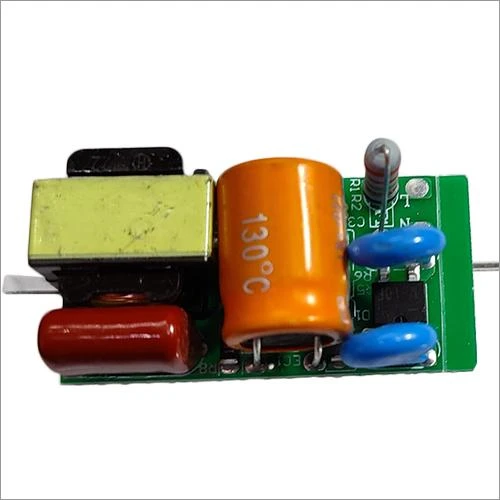
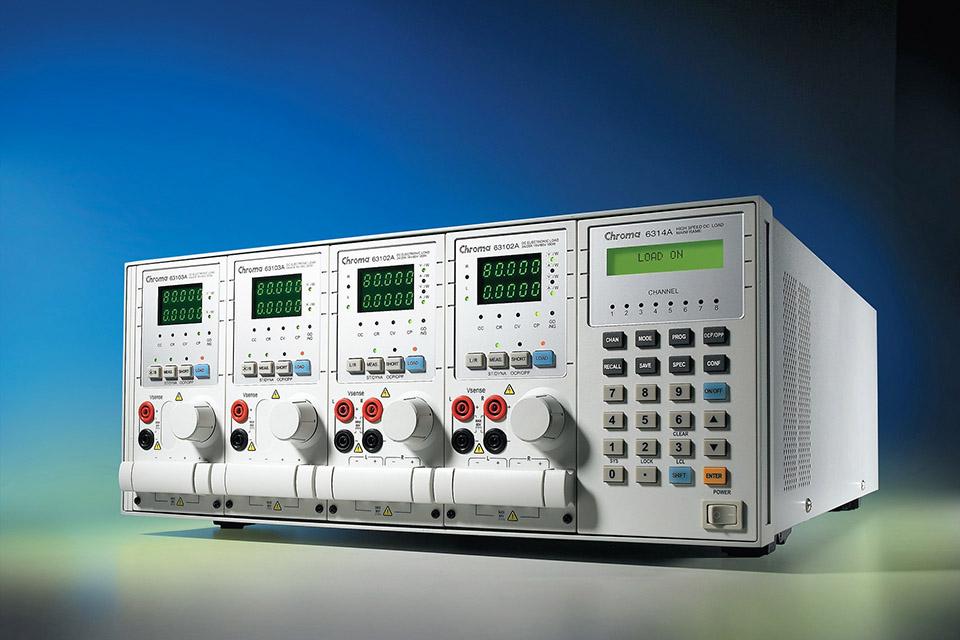
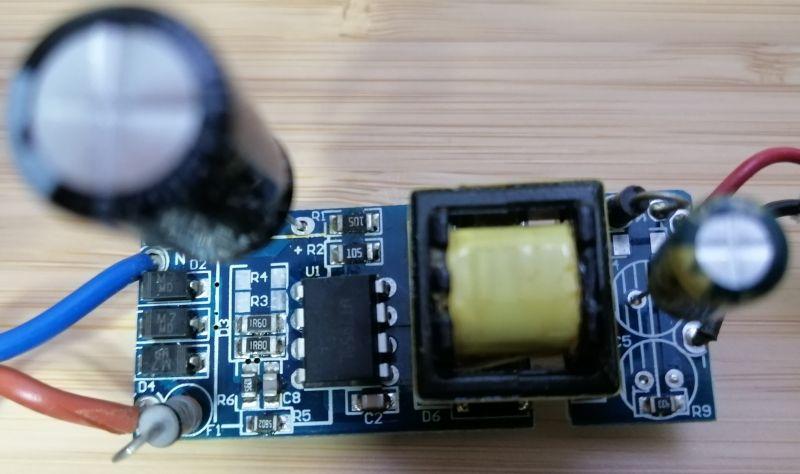
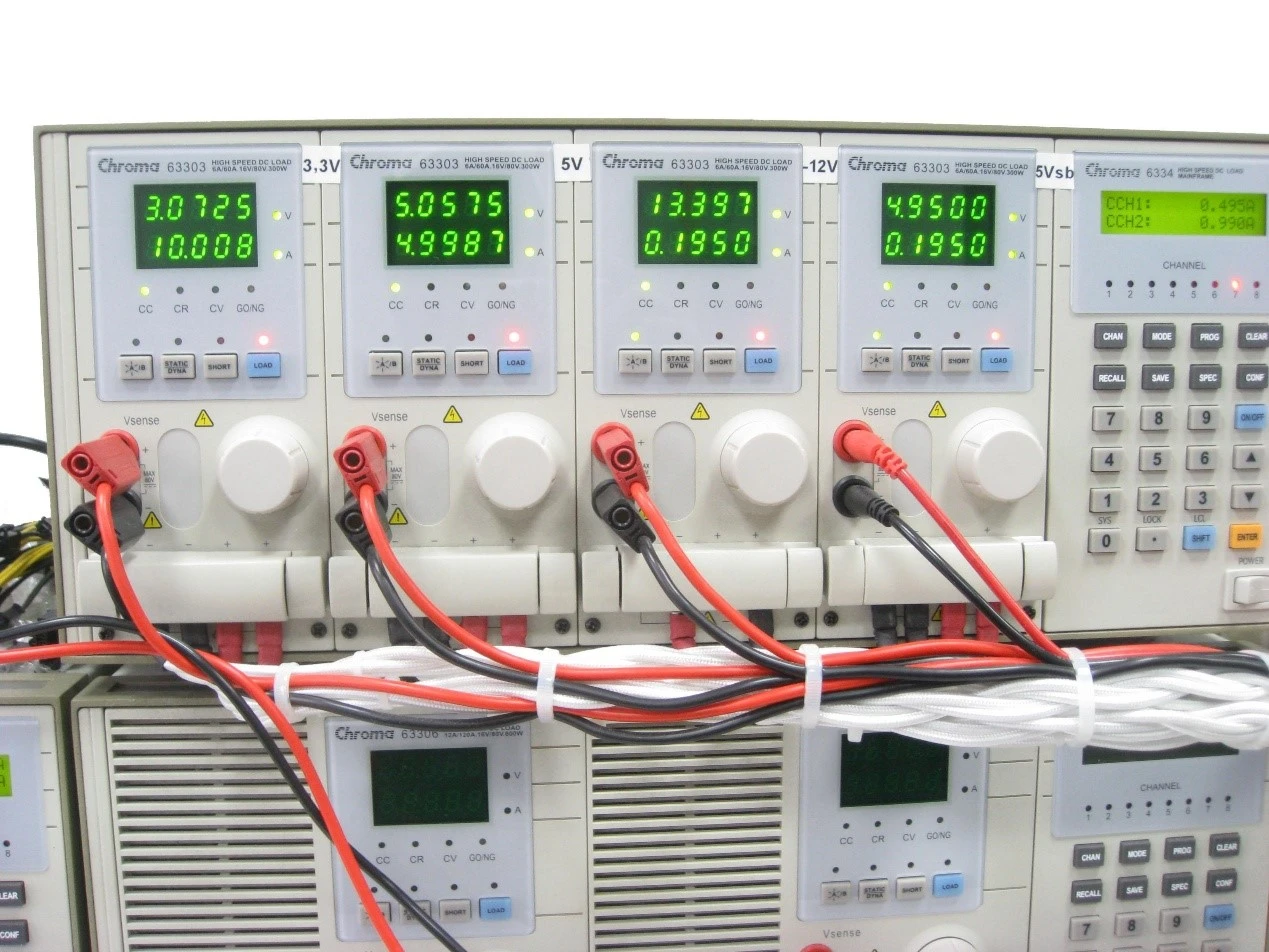
While LED chips often receive the most attention, the true performance of a lighting system depends heavily on one critical component: the LED driver.
An LED driver functions as the brain of the lighting system. It regulates current and voltage to ensure stable operation. Without a high-quality driver, even premium LED chips can fail prematurely or perform inconsistently.
One of the most important features in modern drivers is constant current control. LEDs are highly sensitive to current fluctuations, and unstable power supply can lead to flickering, color shifting, or reduced lifespan.
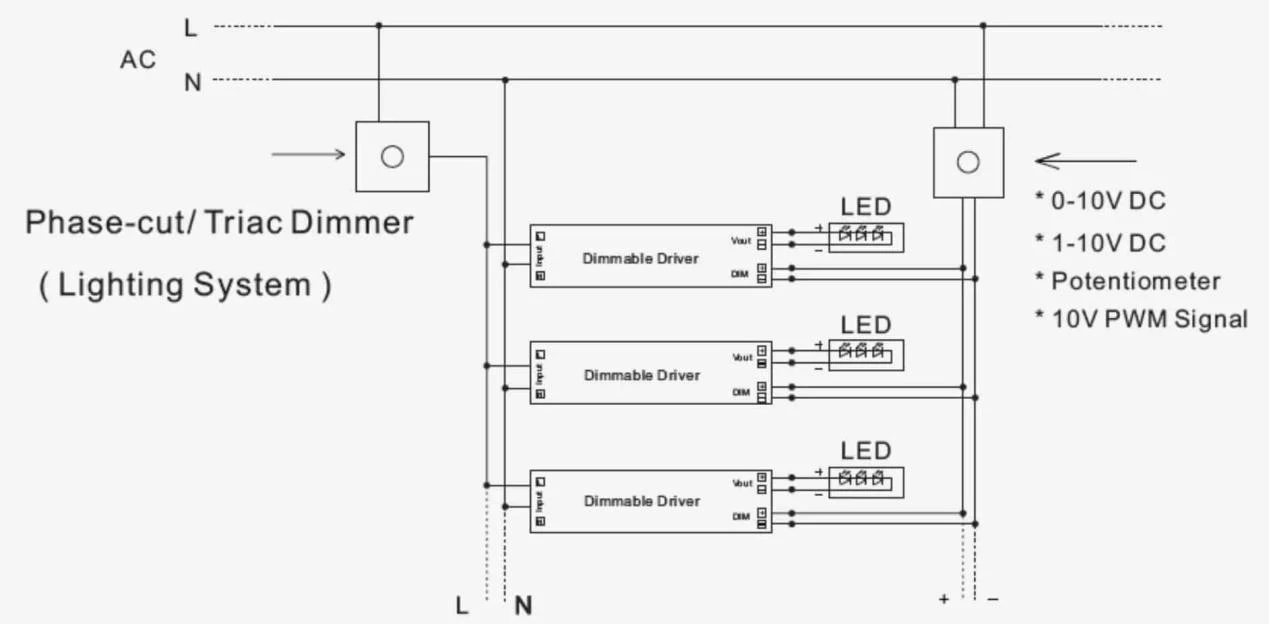
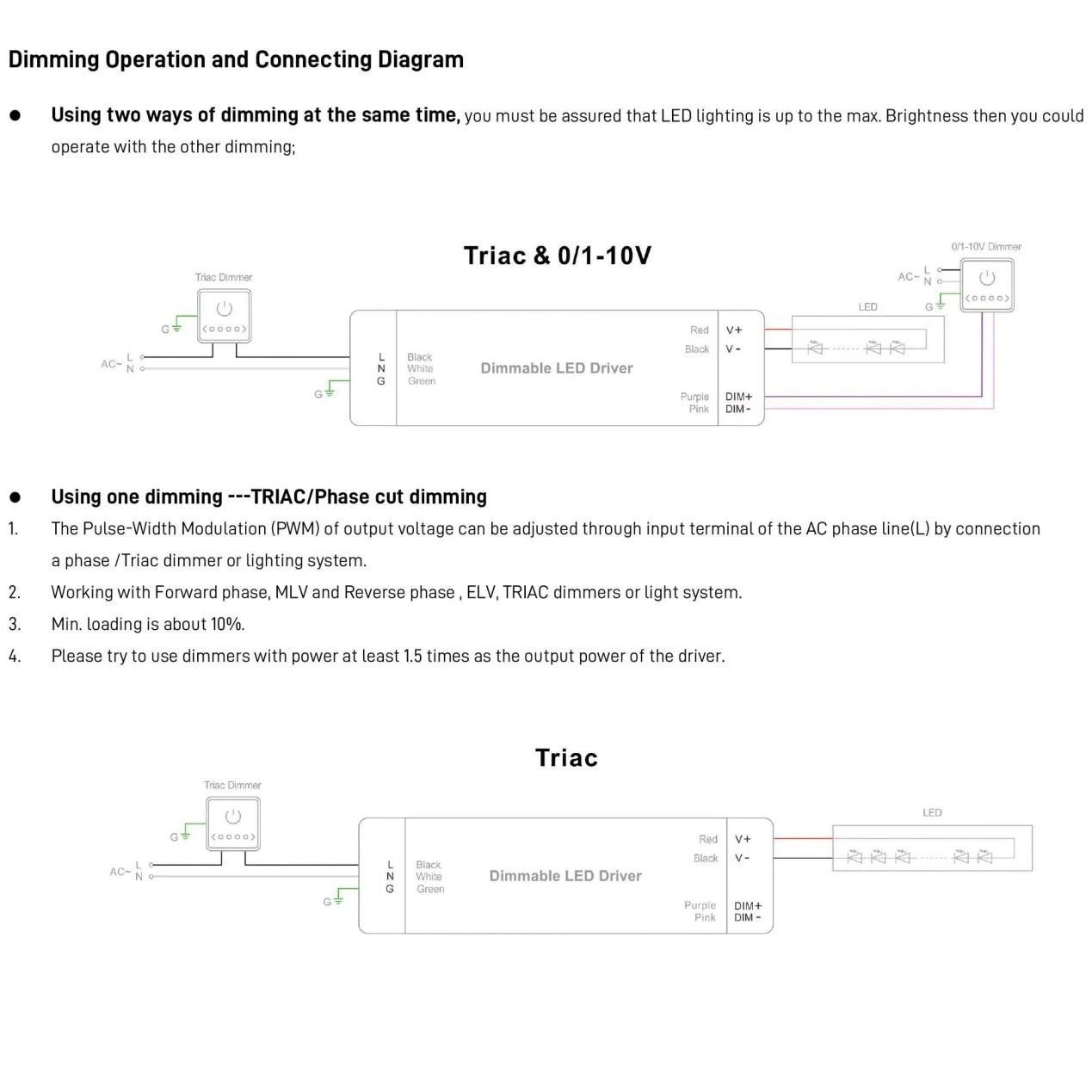
Dimmability is another key factor. In commercial environments, lighting needs to adapt to different scenarios. TRIAC, 0–10V, and PWM dimming systems are widely used depending on the application. Advanced drivers now support smooth dimming without flicker, improving user comfort.
Thermal management is also closely tied to driver performance. Poor heat dissipation can lead to component degradation over time. High-quality drivers are designed with protective circuits such as over-voltage, over-temperature, and short-circuit protection.
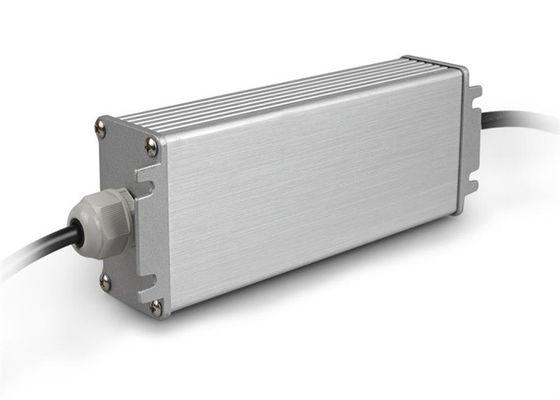
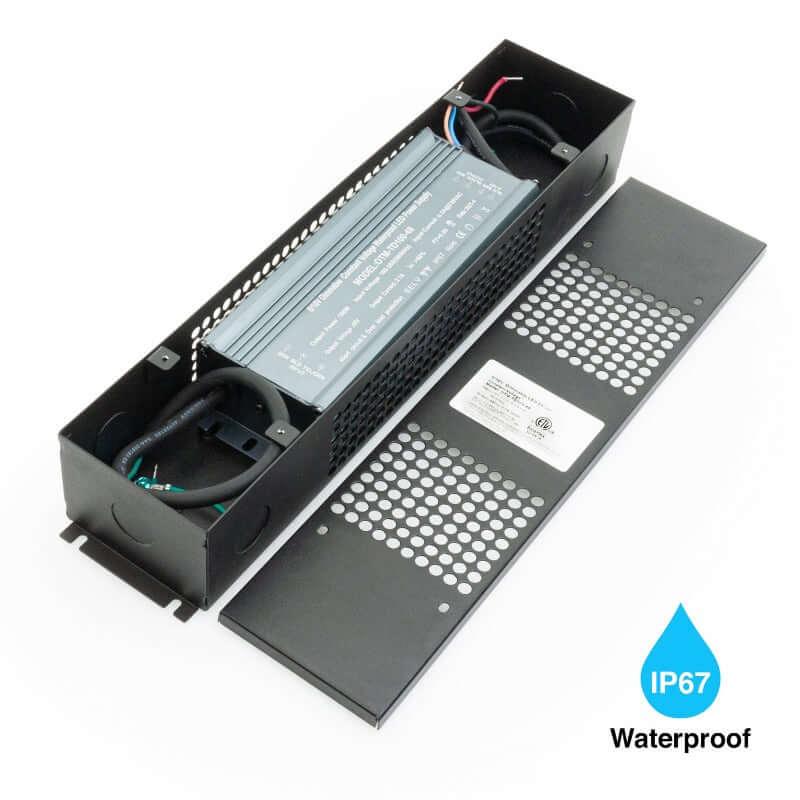
In outdoor and industrial lighting, waterproof drivers with IP-rated enclosures are essential. These drivers ensure stable performance under harsh environmental conditions such as humidity, rain, and dust exposure.
As smart lighting systems grow, LED drivers are also evolving. Many modern drivers now support IoT connectivity, enabling remote monitoring and adaptive control.
Ultimately, the LED driver is not just a supporting component-it is a core determinant of product quality and reliability.