Why LED lighting can improve layer and broiler margins
According to research, contemporary lighting systems may boost broiler unit gross margins by 0.87p/kg and layer yield by up to 38 eggs per hen.
However, flock keepers often overlook illumination when considering possible performance barriers because they believe that systems are efficient as long as they are in operation.
In a housed setting, proper illumination will promote the birds' natural day/night behavior in the following ways:
positioning of birds
consuming food
drinking water
Excretion
Behaviour
Birds interacting with one other
Performance
According to Glynn Kent of Greengage Lighting, one explanation for the gains in these areas is that chickens have better color vision and a sensitivity to UV light.
A guide on enhancing the water quality on poultry units is also available.
The amount of each color, the strength of the light, and the length of the light intervals will all have an impact on how the birds act and function. Making a mistake might have effects that endure the whole production cycle.
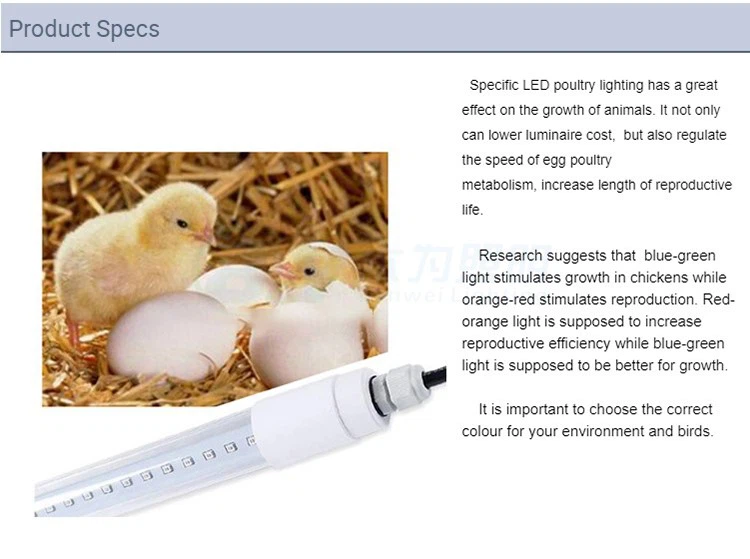
Additionally, the amount of light needed varies by breed, age, and system. The optimal lighting for broilers is a warm, white light with more blue light wavelengths to keep the birds calm and promote faster weight growth.
A warm, white light with more red, on the other hand, is better for layers because it increases rates of sexual maturity and egg production.
Standard lighting
Low frequency lighting sources like fluorescent and incandescent provide a narrow range of light that flickers.
Because of this, birds must exert more effort to navigate their surroundings, which raises stress levels and the likelihood of:
Skin rubbing
Cannibalism
ground eggs
excessive water use
Wet waste
Traditional lighting controls are manually operated at night and have a limited capacity to decrease.
Older lighting systems have high operating and maintenance costs as well, with average yearly expenses of £1,016 for a home (see "Comparison of energy usage" below).
Because bulbs are delicate to dust, ammonia, and moisture and need to be replaced when they get wet during thorough cleaning, additional labor expenses are required.
LED bulbs
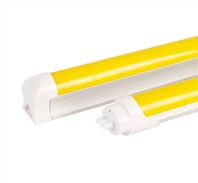
When installed properly, poultry-specific LED lights provide a greater spread, minimizing dark areas and lowering bird stress.
With improved control over settings provided by LED lighting, automated and seamless transitions from light to dark will be possible.
In laying systems, Mr. Kent notes, "this is particularly important to encourage the birds up to nest boxes while preserving underlighting to deter floor eggs."
With the use of AgriLamp Induction System (Alis) LEDs, the peak production rate of floor eggs was lowered from 7.2% to 3%.
Additionally, labor needs are decreased by 90 minutes every day, saving a typical flock £5,145.
power savings
Standard LED technology consumes around 50% less energy than traditional lighting, whereas induction lighting uses 90% less.