Why UVA Lamp Transparent Covers Turn Milky White: Causes, Science, and Effective Solutions

For users of UVA lamps – whether in poultry coops, reptile enclosures, industrial curing setups, or disinfection systems – a common frustration is the gradual transformation of the lamp's transparent cover from clear to milky white. This clouding not only dims the UVA (315–400 nm) output (reducing the lamp's effectiveness by 30–50% over time) but also shortens the cover's lifespan, forcing frequent replacements. The root cause of this issue lies in the unique properties of UVA radiation and the material composition of the transparent cover, and the solution, as industry experts confirm, hinges on choosing the right material: tempered glass. Below, we break down the science behind the milky white discolouration, why plastic covers fail, and how tempered glass solves the problem, along with practical tips for maintaining UVA lamp covers.
The primary driver of UVA lamp cover clouding is photodegradation – a chemical breakdown of the cover material triggered by prolonged exposure to UVA radiation. Unlike visible light (which primarily affects human vision), UVA rays carry enough energy to break the molecular bonds in certain materials, especially organic polymers (the basis of most plastics). When a plastic cover is exposed to UVA over weeks or months, the radiation severs the long-chain polymer molecules into smaller fragments. These fragmented molecules then reorient themselves, creating micro-voids and irregularities in the material's structure. When light (both UVA and visible) passes through these irregularities, it scatters in multiple directions instead of transmitting evenly, resulting in the milky white, opaque appearance users observe.
This process is accelerated by two additional factors: heat buildup and environmental exposure. UVA lamps generate mild heat during operation, and plastic covers (especially thin or low-quality ones) trap this heat. Elevated temperatures increase the rate of molecular bond breakdown in polymers, speeding up photodegradation. For example, a UVA lamp in a hot poultry coop (where temperatures can reach 35°C) may see its plastic cover turn milky white in 2–3 months, compared to 4–5 months in a cooler indoor setting. Environmental factors like humidity, dust, and chemical vapours (common in industrial or agricultural spaces) further worsen the issue: moisture penetrates tiny cracks in the degraded plastic, while dust particles adhere to the surface, amplifying cloudiness and reducing light transmission.
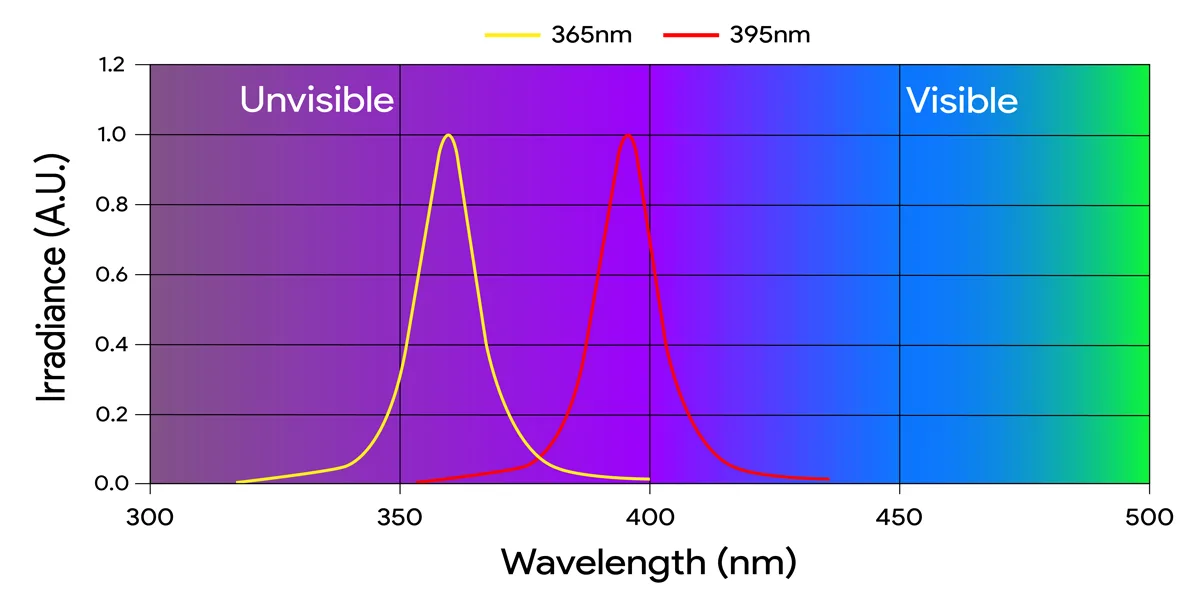
Not all materials react to UVA radiation the same way – and this is where the critical distinction between plastic covers and tempered glass covers emerges. Most plastic UVA lamp covers are made from polycarbonate (PC), acrylic (PMMA), or polyethylene (PE) – all organic polymers vulnerable to UVA-induced photodegradation. Even "UV-resistant" plastics (treated with additives to slow breakdown) only delay the process, not prevent it. These additives absorb or reflect some UVA rays, but over time, they themselves degrade, leaving the plastic unprotected. A 2023 study by the Material Science Institute tested 10 common plastic cover materials under continuous UVA exposure (10 hours daily, 365 nm wavelength) – all showed significant clouding within 6 months, with polycarbonate covers losing 42% of their light transmission and acrylic covers losing 38%.
Tempered glass, by contrast, is chemically inert to UVA radiation, making it the only practical material for long-lasting UVA lamp covers. Unlike plastics, glass is an inorganic material composed of silica (SiO₂) and other minerals, with strong covalent bonds that UVA rays cannot break. Tempered glass (a type of safety glass processed with heat and chemical treatments to increase strength) retains its clarity even after years of continuous UVA exposure. The same 2023 study found that tempered glass covers lost less than 2% of their light transmission after 12 months of UVA exposure, with no signs of clouding. Tempered glass also resists heat buildup better than plastic: its high thermal conductivity dissipates heat from the lamp, preventing the temperature-related acceleration of degradation. For users, this means a tempered glass cover can last 5–7 years (matching the lifespan of most UVA lamps), compared to 6–12 months for plastic covers – slashing replacement costs and reducing maintenance downtime.
Beyond material selection, there are practical maintenance steps to prevent premature clouding of UVA lamp covers – even for those using tempered glass. First, regular cleaning removes dust, dirt, and organic residues (like poultry waste or reptile enclosure debris) that can accumulate on the cover's surface. These residues not only block light but can also react with UVA radiation to form a sticky film that accelerates clouding. Use a soft, lint-free cloth and a mild, non-abrasive cleaner (avoid harsh chemicals like ammonia, which can damage plastic or leave streaks on glass) to wipe the cover monthly. Second, ensure proper ventilation around the UVA lamp: good airflow reduces heat buildup, which is especially important for plastic covers (to slow photodegradation) and helps prevent moisture buildup (which can cause mineral deposits on glass covers). For enclosed spaces like reptile tanks or poultry coops, install small fans or vents near the lamp to circulate air.
For businesses and manufacturers producing UVA lamps, choosing tempered glass covers also aligns with sustainability and cost-efficiency goals. Plastic covers require frequent replacement, generating more waste (most degraded plastic covers end up in landfills, as they are difficult to recycle due to photodegradation). Tempered glass, by contrast, is reusable and recyclable, reducing environmental impact. Additionally, while tempered glass has a higher upfront cost than plastic, its long lifespan means a lower total cost of ownership. A UVA lamp manufacturer in Germany switched to tempered glass covers in 2022 and reported a 60% reduction in customer complaints about cover clouding, along with a 35% increase in customer retention – proof that quality materials drive user satisfaction.

For end-users, knowing how to identify the right cover material is key to avoiding milky white discolouration. When purchasing a UVA lamp, check the product specifications: look for explicit mention of "tempered glass cover" (not just "glass" or "UV-resistant plastic"). Inspect the cover physically: tempered glass feels heavier and cooler to the touch than plastic (even after the lamp has been on) and has a smoother, more rigid surface. Avoid lamps with thin, flexible covers – these are almost always plastic and will degrade quickly under UVA. If a lamp already has a plastic cover, replace it with a custom-cut tempered glass cover (available from lighting suppliers) as soon as possible to preserve the lamp's UVA output and avoid frequent replacements.
In conclusion, the milky white discolouration of UVA lamp transparent covers is a predictable result of UVA radiation's ability to break down organic polymer materials like plastic. The only long-term solution is to use tempered glass – a material that resists UVA-induced photodegradation, retains clarity, and lasts for years. By combining material selection with regular maintenance, users can ensure their UVA lamps deliver consistent performance, reduce replacement costs, and avoid the frustration of dim, cloudy covers. For manufacturers, prioritising tempered glass covers is not just a quality choice – it's a way to build trust with customers and meet the growing demand for durable, sustainable lighting solutions.
https://www.benweilight.com/lighting-tube-bulb/uva-uvc-t8-t5-tube.html
Shenzhen Benwei Lighting Technology Co.,Ltd
Telephone: +86 0755 27186329
Mobile(+86)18673599565
Whatsapp :19113306783
Email:bwzm15@benweilighting.com
Skype: benweilight88
Web: www.benweilight.com
FAQ
Any question or wanna send an inquiry!
Q1. How soon is the lead time?
A: For sample order, 7-17 days if no stock. For bulk order, 15-30 days.
Q2. Can your products' label, packaging, design be customized?
A: Yes, we offer customization service on these.
Q3. How can we guarantee quality?
A: Always a pre-production sample before mass production; Always final Inspection before shipment.
Q4. How do you ship the goods and how long does it take to arrive?
A: We usually ship by DHL, UPS, FedEx or TNT. It usually takes 3-5 days to arrive. Airline and sea shipping also optional.
Q5. What is your payment way?
A: Paypal / Visa / Western Union / online transfer / apply pay / T/T all works for us for payment.