

How Many Hours of Grow Light Do Herbs Need?
Herbs, with their aromatic leaves and versatile uses in cooking, medicine, and cosmetics, are a popular choice for indoor gardening. Whether grown on a kitchen windowsill, in a dedicated grow tent, or under artificial lighting, their success hinges on several factors, with light being one of the most critical. Unlike sunlight, which follows natural day-night cycles, artificial grow lights allow gardeners to control the duration of light exposure, raising the question: how many hours of grow light do herbs actually need? This article explores the light requirements of herbs, the science behind their photoperiod needs, and practical guidelines for optimizing grow light duration to ensure healthy growth and maximum yield.
To understand the light needs of herbs, it is essential to first recognize their biological relationship with light. Like all plants, herbs rely on photosynthesis to produce energy, using light, carbon dioxide, and water to synthesize glucose, which fuels growth, flowering, and the production of essential oils-compounds that give herbs their distinctive flavors and aromas. The duration of light exposure, known as the photoperiod, influences not only photosynthesis but also key developmental stages, such as vegetative growth, flowering, and dormancy.
Herbs are generally classified as "day-neutral" plants, meaning their flowering is not triggered by specific photoperiods (unlike "short-day" plants, which flower when days are shorter, or "long-day" plants, which flower when days are longer). Instead, their growth is primarily driven by the total amount of light they receive each day, with most species thriving under consistent, extended light periods. However, this does not mean all herbs have identical needs; variations exist based on their natural habitat, growth habits, and intended use (e.g., leaf production vs. seed collection).
Most common culinary herbs, such as basil, parsley, cilantro, mint, rosemary, thyme, and oregano, originate from regions with abundant sunlight. For example, basil is native to tropical and subtropical areas of Asia, where it receives 10–12 hours of sunlight daily during the growing season. Parsley, native to the Mediterranean, thrives in full sun, with 6–8 hours of direct sunlight in its natural environment. When grown indoors under artificial lights, these herbs require a photoperiod that mimics their natural light exposure to maintain vigorous growth.
Research and practical experience indicate that most herbs require 12–16 hours of grow light per day to thrive. This range balances the need for sufficient light to drive photosynthesis and support leaf development while allowing for a period of darkness, which is crucial for plant metabolism. During darkness, herbs undergo respiration, a process that breaks down the glucose produced during photosynthesis to release energy for growth and repair. Without adequate darkness, plants can become stressed, leading to stunted growth, yellowing leaves, or reduced flavor intensity.


Let's break down the light requirements for specific herbs to provide more targeted guidance:
Basil: A fast-growing herb that demands plenty of light to prevent leggy growth and maintain its lush, flavorful leaves. Basil thrives with 14–16 hours of grow light per day. Insufficient light can cause it to stretch toward the light source, resulting in weak stems and fewer leaves. Studies show that basil grown under 16 hours of light followed by 8 hours of darkness produces 20% more leaf biomass than those grown under 12 hours of light.
Parsley: A biennial herb often grown as an annual, parsley requires 12–14 hours of light daily. It is slightly more tolerant of lower light levels than basil but still benefits from consistent, extended light exposure to produce large, vibrant leaves. Too little light can lead to slow growth and a bitter taste in the leaves.
Cilantro (Coriander): Cilantro is unique among herbs because it tends to bolt (produce flowers and seeds) quickly in response to stress, including irregular light cycles. To delay bolting and promote leafy growth, cilantro needs 12–14 hours of grow light per day, followed by 10–12 hours of darkness. This consistent schedule helps keep the plant in its vegetative stage longer, extending the harvest window.
Mint: A vigorous, spreading herb, mint prefers 12–14 hours of light daily. It is relatively adaptable to varying light conditions but will produce more leaves and a stronger aroma when given adequate light. Mint grown under shorter light periods (less than 12 hours) may become sparse and less flavorful.
Rosemary: A woody, evergreen herb native to the Mediterranean, rosemary requires 12–15 hours of light per day. It is drought-tolerant but needs ample light to maintain its dense, aromatic foliage. Insufficient light can cause rosemary to become leggy and lose its characteristic flavor.
Thyme and Oregano: These Mediterranean herbs thrive with 12–14 hours of grow light per day. They are more drought-tolerant than leafy herbs like basil but still require consistent light to produce their small, flavorful leaves. Shorter light periods can lead to slow growth and reduced oil production.

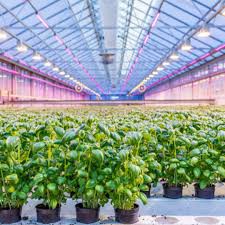

The intensity of the grow light, in addition to duration, plays a critical role in herb growth. Even if the light duration is correct, low-intensity light may fail to provide enough energy for photosynthesis, resulting in weak, spindly plants. Most herbs require a photosynthetic photon flux density (PPFD) of 200–400 μmol/m²/s. This is equivalent to the light intensity found in a bright, sunny windowsill or under a well-positioned grow light (e.g., a full-spectrum LED or fluorescent tube placed 6–12 inches above the plants).
Light quality, or the spectrum of light emitted by the grow light, also interacts with duration to influence herb growth. Herbs, like most plants, absorb blue and red wavelengths most efficiently. Blue light (400–500 nm) promotes compact, bushy growth and strong leaf development, while red light (600–700 nm) supports flowering and the production of essential oils. Full-spectrum grow lights, which include balanced blue and red wavelengths, are ideal for herbs, as they ensure all aspects of growth are supported, even during extended light periods.
Another factor to consider is the growth stage of the herb. Seedlings and young plants typically require longer light periods (14–16 hours) to establish strong root systems and develop healthy foliage. Mature herbs, especially those being harvested regularly, may thrive with 12–14 hours of light, as their energy needs shift toward repairing harvested leaves and maintaining existing growth.
Seasonal adjustments can also affect light duration. During the winter months, when natural sunlight is scarce, herbs grown indoors may benefit from slightly longer grow light periods (e.g., 16 hours) to compensate for the lack of natural light. In contrast, during the summer, when natural light is more abundant, gardeners may reduce artificial light duration to 12–14 hours, avoiding overexposure.
It is important to monitor herbs for signs of light stress, which can indicate whether the duration or intensity of the grow light is incorrect. Symptoms of insufficient light include pale, yellow leaves, leggy stems, and slow growth. On the other hand, excessive light (either too long a duration or too high intensity) can cause leaf scorching, browning at the tips, or wilting, even when soil moisture is adequate.
To optimize grow light duration, many indoor gardeners use timers to maintain a consistent schedule. This ensures herbs receive the same amount of light each day, preventing stress from irregular light cycles. For example, setting a timer to turn on the grow lights at 7 AM and off at 9 PM provides 14 hours of light, followed by 10 hours of darkness-a schedule that works well for most herbs.
In addition to duration, the distance between the grow light and the herbs affects light intensity. Most grow lights should be positioned 6–12 inches above the canopy of the herbs. If the light is too far away, intensity decreases, requiring a longer duration to compensate. Conversely, if the light is too close, it may cause heat stress, even with the correct duration.
Research supports these guidelines. A study published in the Journal of Horticultural Science & Biotechnology compared the growth of basil under different photoperiods: 12, 14, and 16 hours of light. The results showed that basil grown under 14 hours of light produced the highest fresh weight and leaf area, with 16 hours yielding slightly less due to mild stress from extended light exposure. Another study on parsley found that 12–14 hours of light resulted in the highest chlorophyll content, a marker of photosynthetic efficiency.
For herbs grown primarily for their leaves (e.g., basil, parsley, mint), maintaining a 12–16 hour photoperiod ensures continuous leaf production. For herbs grown for seeds or flowers (e.g., coriander, which is grown for its seeds), a slightly shorter photoperiod (12–14 hours) may be beneficial, as extended light can sometimes accelerate flowering, which is desirable if seeds are the target.
In summary, the ideal number of hours of grow light for herbs ranges from 12 to 16 hours per day, with most species thriving in the 14–15 hour range. This duration provides enough light for photosynthesis and growth while allowing for essential dark periods. By adjusting the duration based on the specific herb, growth stage, and environmental conditions, and by monitoring for signs of stress, indoor gardeners can ensure their herbs remain healthy, flavorful, and productive.
you must like it: https://www.benweilight.com/lighting-tube-bulb/6500k-herb-growing-light.html


