Long-Day Lighting in Dairy Farms: A Precision Strategy Using "Light Recipes" to Enhance Heifer Growth and Farm Profitability
 In modern intensive dairy farming systems, environmental control extends far beyond temperature and humidity. Light-an often-overlooked environmental factor-is emerging as a cutting-edge tool for enhancing animal welfare and unlocking production potential. Among these tools, Long-Day Lighting represents an environmental management strategy based on photoperiod theory. Despite over forty years of research, its systematic application and perceived value in rearing replacement heifers (developing heifers and calves) remain a largely untapped "rich vein." This article delves into the scientific principles, implementation protocols, and economic benefits of LDL, providing a decision-making framework for farms aiming to achieve precision light environment management.
What is "Long-Day Lighting"?
Long-Day Lighting is not simply about "keeping the lights on longer." It is a strict biological rhythm regulation program that specifically provides dairy cattle (especially replacement heifers in the growth phase) with 16 to 18 hours of uniform, stable artificial light per day (target intensity 160-215 lux), followed by 6 to 8 hours of continuous darkness (where light intensity must be strictly below 10-40 lux) [1]. This "light-dark" cycle mimics the natural long days of summer, aiming to actively regulate the secretion of core hormones related to growth and reproduction via the retina-hypothalamus pathway.
Its primary focus is on replacement heifers from post-weaning to before first breeding. Unlike photoperiod schemes for lactating cows (aimed at increasing milk yield) or dry cows (using short days to enhance mammary renewal), the core objective of LDL for heifers is: to promote skeletal and frame development, optimize the onset of puberty, and lay a solid foundation for lifetime high production.

How Does Light "Program" Dairy Cattle Growth and Development?
Light influences mammals primarily through non-image-forming visual pathways. Specialized photosensitive retinal ganglion cells in the cow's eye detect ambient light signals and relay them to the brain's "biological clock"-the suprachiasmatic nucleus-which in turn regulates the secretion rhythm of melatonin from the pineal gland.
During sustained dark periods (short days), melatonin secretion is high. Implementing a Long-Day Lighting protocol continuously suppresses melatonin secretion during the extended light phase. This shift in hormonal landscape acts as a key trigger, initiating a cascade of downstream endocrine responses:
Enhanced Somatotropic Axis Activity: Reduced melatonin partially lifts inhibition on the growth hormone axis and significantly increases liver production of Insulin-like Growth Factor-1. IGF-1 is a central regulator promoting cell division, protein synthesis, and bone growth. Elevated IGF-1 levels are directly linked to improved Average Daily Gain and body condition scores [2].
Promoted Gonadal Development: Increased IGF-1 levels interact with Gonadotropin-Releasing Hormone to jointly stimulate gonadotropin secretion, thereby accelerating ovarian activity and puberty onset. Studies indicate heifers receiving LDL can reach puberty approximately one month earlier, enabling more precise management of first breeding timing [3].
Shaped Feeding Behavior: Longer light hours with appropriate intensity create longer periods of safe, comfortable activity for cattle, often associated with a moderate increase in voluntary feed intake, further supporting the nutritional demands for growth.

LDL vs. Traditional Farm Lighting Practices
Many farms provide only basic lighting for human operational needs, which differs fundamentally from a scientific LDL program. The table below details three typical lighting models:
| Comparison Dimension | Traditional Functional Lighting | Non-Standard "Constant Light" | Scientific Long-Day Lighting |
|---|---|---|---|
| Primary Purpose | Facilitate night-time checks and tasks by stockpersons. | No biological objective, often for management convenience or oversight. | Actively program cattle biorhythms to promote growth and health. |
| Light/Dark Cycle | Irregular, switched on/off with human activity. | Near-24-hour constant light, lacking a true dark period. | Strictly Cyclical: 16-18h light + 6-8h continuous darkness. |
| Light Intensity | Uneven: bright alleys, dim resting areas. Often only 10-50 lux or less. | Uneven and typically insufficient intensity. | Uniform & Compliant: 160-215 lux in animal activity/feeding areas, <10-40 lux during darkness. |
| Light Spectrum Quality | Often standard fluorescent or HPS lamps, poor spectrum, potentially severe flicker. | Same as left, poor light quality. | Priority given to full-spectrum or specifically optimized LED sources, providing soft, stable light. |
| Impact on Cattle | Minimal positive physiological effect. Insufficient darkness disrupts melatonin, potentially causing chronic stress. | Severely disrupts circadian rhythm, leading to hormonal imbalance, potential immune suppression, increased aberrant behavior. | Systematic Programming: Effectively elevates IGF-1, promotes growth and puberty, improves herd uniformity. |
| Energy Use & Economics | Low energy cost, but no production return. | Energy waste with negative impact on performance. | Higher initial investment, but delivers significant long-term ROI through improved weight gain, earlier calving, and higher first-lactation milk potential. |
Critical Implementation Factors and Industry Debates
Successful LDL implementation is far more complex than installing a set of lights; it is a systematic engineering project:
Light Uniformity is Paramount: It is essential to ensure uniform light intensity throughout the barn, particularly in resting and feeding areas, avoiding shadows. This requires professional lighting design, calculating fixture layout, mounting height, and beam angles.


"True Darkness" is Crucial: The dark period must be sufficiently dark (<40 lux, ideally near 10 lux). Light leaks from doors, windows must be eliminated. Using constantly illuminated red or other colored "night lights" should be avoided, as they can still interfere with the cattle's photoreceptive system.
Automated Control: Must rely on timers or smart control systems to ensure absolutely stable and reliable light cycles, free from human error.

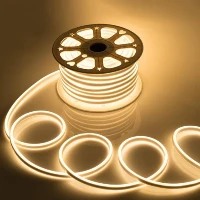
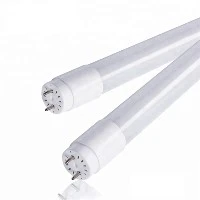
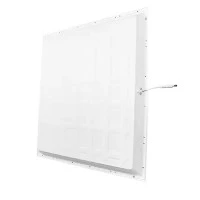
Advantage of LED Lighting: Modern farm-specific LED lighting systems are the ideal choice for implementing LDL. Their high efficacy, long lifespan, tunable spectrum, and excellent controllability can precisely meet the intensity and stability requirements of LDL while significantly reducing long-term energy costs.
Existing Controversies and Research Gaps:
Although the core mechanism is established, debates persist in academia and practice. For example, some studies have failed to replicate significant effects of LDL on feed intake; research on the optimal light spectral composition (e.g., blue light ratio) is ongoing; more importantly, due to vast differences in farm conditions, there is a lack of widespread, consistent case data supporting specific Return on Investment models for LDL, which often causes producer hesitation in investment decisions [4].

Conclusion and Outlook
Long-Day Lighting represents a forward-thinking management philosophy that integrates animal welfare with productivity enhancement. It transforms light from a simple "husbandry tool" into a form of "environmental nutrition" that can precisely intervene in animal physiology.
For modern farms seeking to improve replacement heifer rearing quality and optimize herd lifetime performance, investing in a scientifically designed LDL system offers value not only through earlier attainment of breeding weight and higher first-lactation milk potential but also through overall management benefits gained from improved herd uniformity and health. As LED technology and smart control costs continue to decline, and with more empirical research based on local herd data, this "light recipe" technology has the potential to evolve from an "option" to a "standard configuration" for future high-efficiency dairy operations.
FAQ
Q1: Is Long-Day Lighting also effective for lactating and dry cows?
A: The objectives and protocols differ. For lactating cows, long-day lighting (typically 16-18 hours) is proven to stimulate prolactin secretion, increasing milk yield by an average of 5-15%. For dry cows, "short-day" lighting (e.g., 8 hours light, 16 hours dark) should be used, which is proven to significantly promote mammary epithelial cell renewal in preparation for the next lactation. Therefore, a farm typically needs independent lighting programs for cattle in different physiological stages.
Q2: What is the approximate Return on Investment (ROI) for implementing Long-Day Lighting?
A: This is farm-specific but can be estimated using key metrics. Main benefits arise from: 1) Additional lactation income from earlier calving of heifers (by ~1 month); 2) Potential increase in first-lactation milk yield (studies show ~2-5%); 3) Improved feed efficiency from better weight gain. A cost-benefit analysis by a US university indicated a payback period typically ranging from 1 to 3 years, considering equipment and electricity costs. Precise calculation requires combining farm-specific feed, milk prices, and herd performance baselines.
Q3: Can we use ordinary energy-saving bulbs or workshop lights? Why emphasize LEDs?
A: Not recommended. Conventional light sources struggle to simultaneously meet requirements for high intensity, high uniformity, long lifespan, and stable, flicker-free operation, while also being less efficient and more energy-consuming. The advantages of LEDs are: very high efficacy (energy-saving), stable light quality, lifespan exceeding 50,000 hours (low maintenance), and easier optimization of spectrum and distribution for livestock needs, making them the optimal technological path for achieving precise, reliable, and economical LDL.
Q4: What if veterinary treatment or calving assistance is needed during the dark period?
A: Localized, low-intensity task lighting controlled by a separate switch can be installed (recommended using specific wavelength red or amber LEDs, which minimally disrupt melatonin secretion). This light should be turned off immediately after the task to minimize disruption to the herd's overall dark period.
References & Notes
[1] Dahl, G. E., et al. "Management of photoperiod in the dairy herd for improved production and health." Journal of Dairy Science (2000). (Seminal review on photoperiod management for lactating and dry cows, laying groundwork for subsequent heifer research.)
[2] Miller, A. R., et al. "Effects of supplemental light on growth and insulin-like growth factor-1 in dairy calves." Journal of Dairy Science (2015). (Study directly demonstrating supplemental light increases IGF-1 levels in calves.)
[3] University of Minnesota Extension. "Heifer development: The role of photoperiod." (2008). (Early, important practical guide from the University of Minnesota on photoperiod effects on heifer development.)
[4] Michigan State University Extension. "Exploring the impact of long-day lighting on dairy heifers." (2022). (More recent research summary from Michigan State University highlighting current knowledge gaps and ROI assessment needs in practice.)